In this step-by-step Affinity Designer tutorial, you’ll learn how to use Designer’s FX Panel to speed up your illustration workflow by automating highlights, shadows, and textures—saving you from drawing every detail by hand. Perfect for beginners and experienced designers alike!
Spoiler: We’ll be using the Rectangle Tool for almost everything in this tutorial.

1. Draw a simple rectangle.
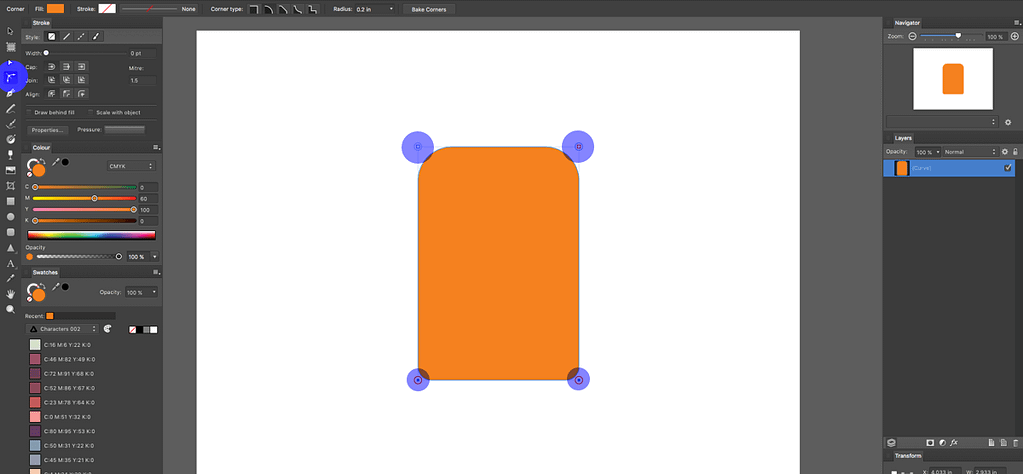
2. Select the Corner Tool and adjust the top corners to a larger radius while slightly rounding the bottom corners.

Use the Gradient Tool [G] to create a top-to-bottom gradient:
Instead of manually shading, use Layer Effects:
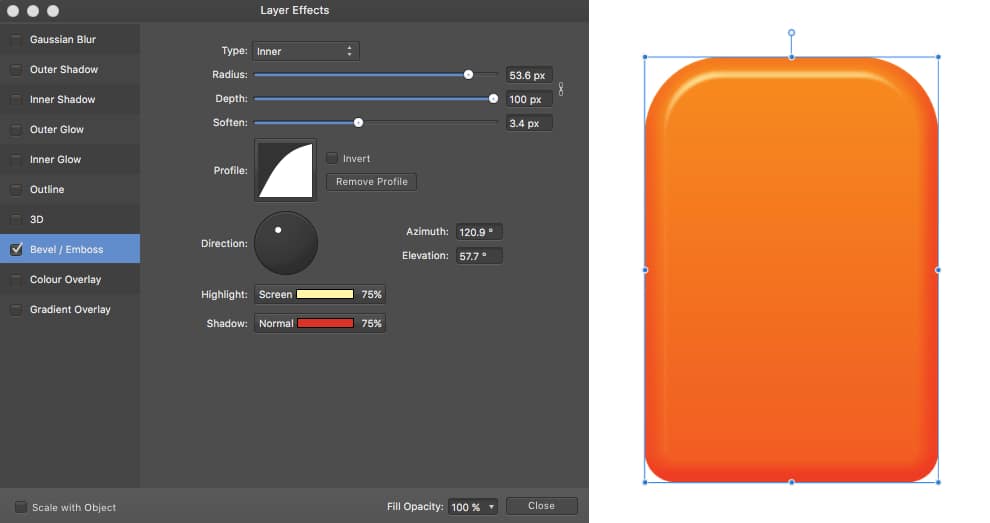
1. Click the [FX] icon at the bottom of the Layers Panel.
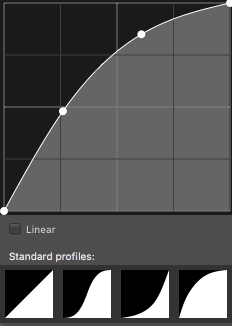
2. Apply a Bevel/Emboss effect:
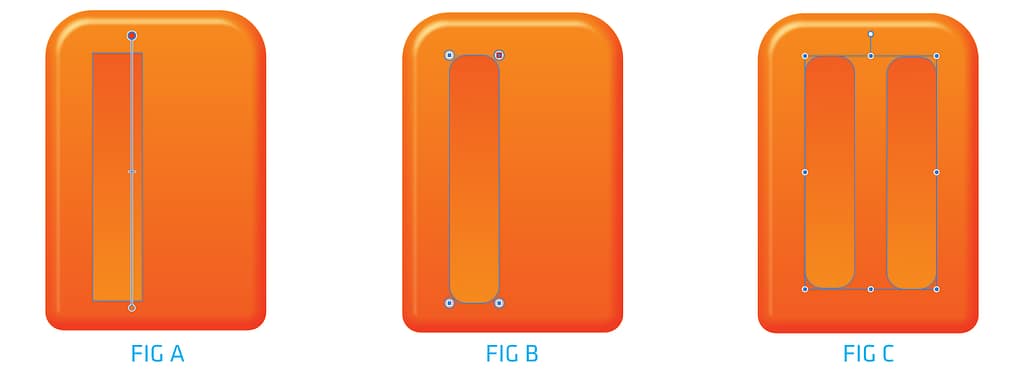
To enhance depth, create another rectangle and apply a reversed gradient. Round the corners slightly and duplicate this shape. Group these layers (Cmd+G / Ctrl+G) and apply another Bevel/Emboss effect:
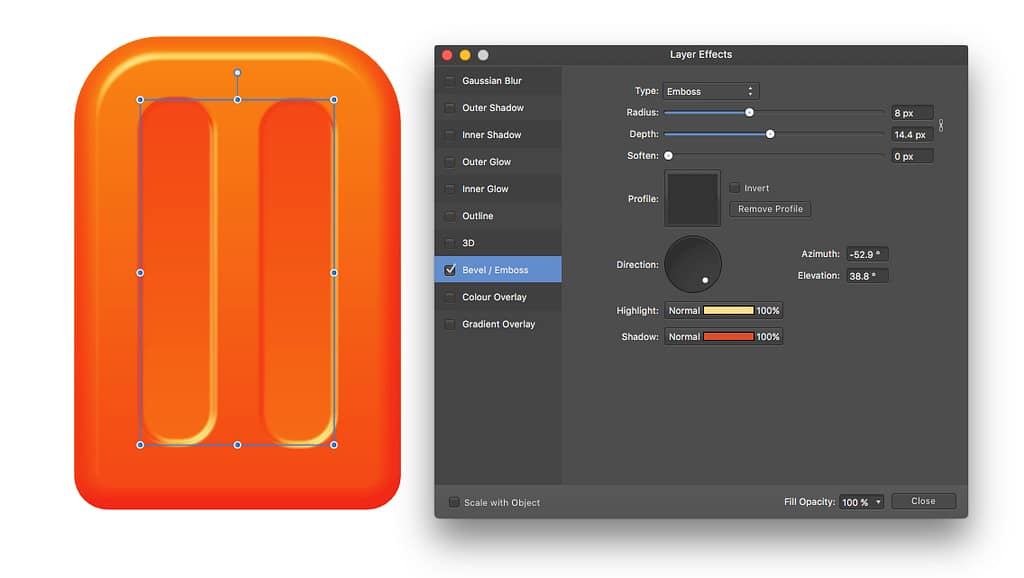
Select these new shapes and make them a Group [Mac: Command+G, Win: Control+G]. Then apply a Bevel / Emboss effect to this new Group.

1. Draw a rectangle and round the bottom corners.
2. Apply a vertical gradient:
3. Add a Bevel/Emboss effect:
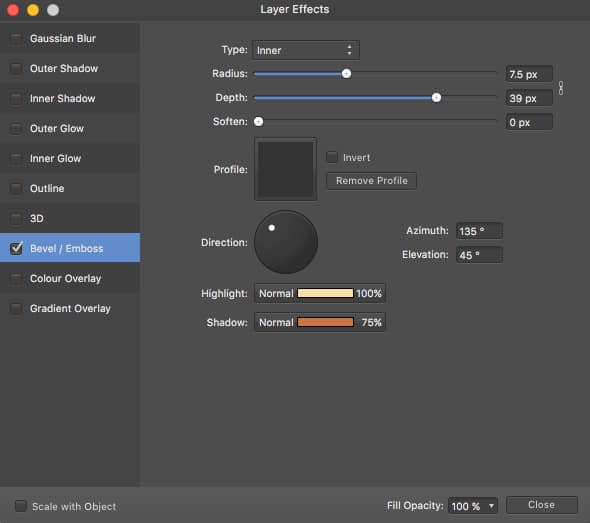
As a final touch, let’s add a realistic wooden texture to the stick using the method shown in THIS TUTORIAL. You can find plenty of great wooden textures online, but be sure to use copyright-free resources. While searching Google Images. is fine for educational purposes, I don’t recommend it if you plan to share or publish your work.

Import a texture and clip it to the stick layer. Adjust Opacity (50%) and set Blending Mode to Multiply.
To add variety, let’s create a striped popsicle:
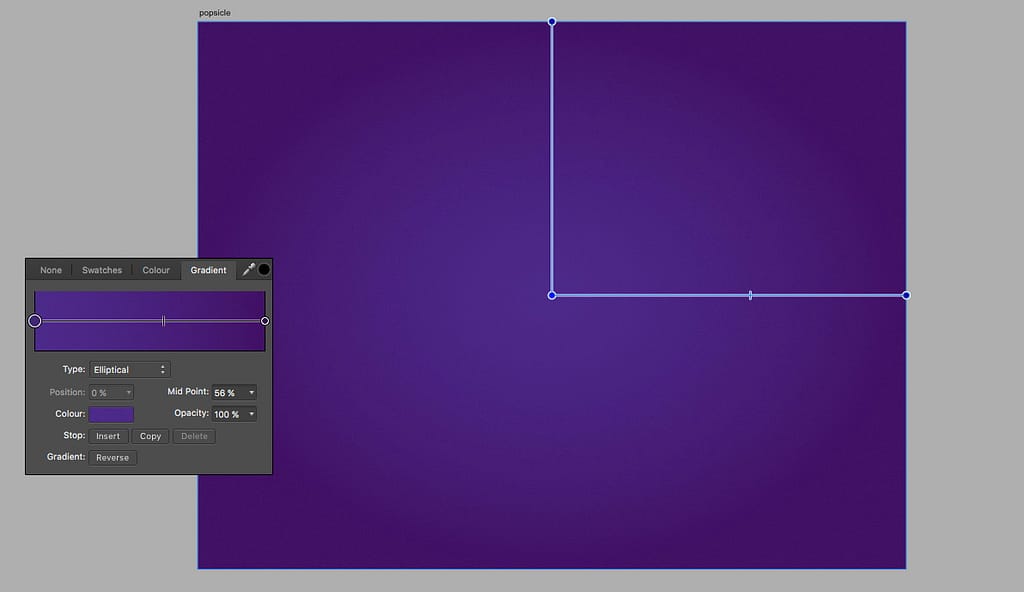
To have a better idea of how my final illustration for this Affinity Designer tutorial would look like, I added a background. I choose this dark violet Elliptical Gradient to create a nice contrast against the popsicles.
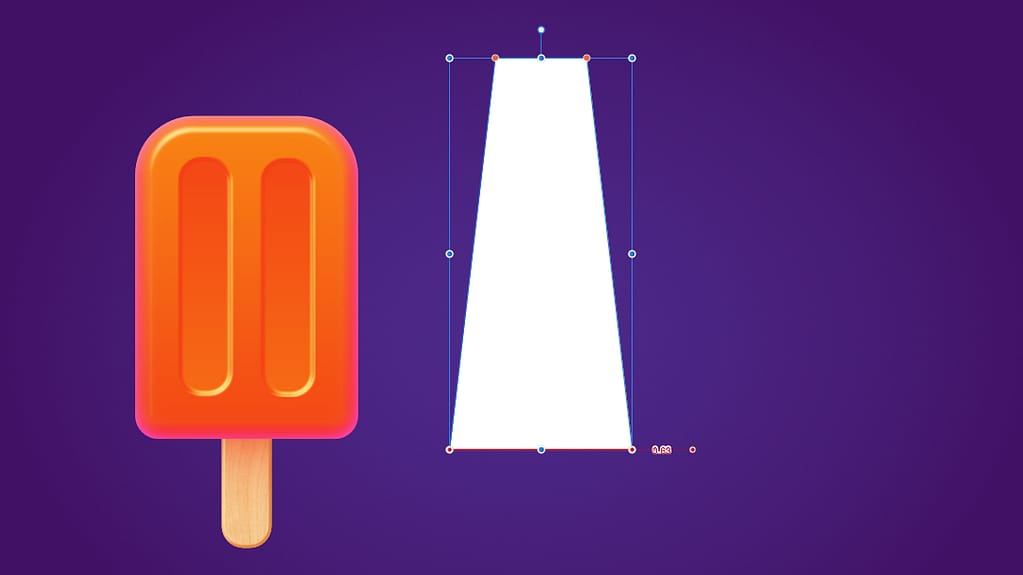
Use the Trapezoid Tool to draw the base shape.
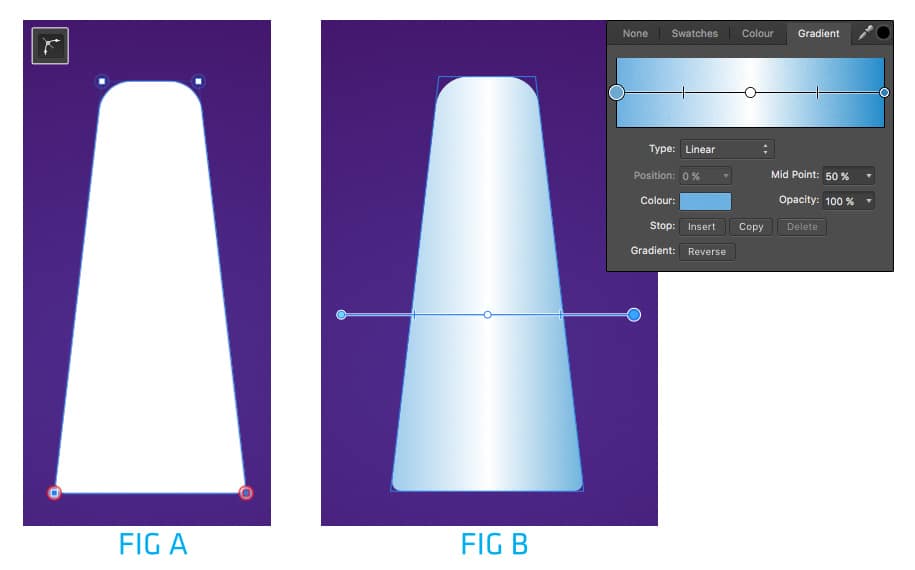
Adjust corners with the Corner Tool (Fig A). Apply a gradient fill (Fig B): White to light blue gradient: (77% Cyan (C), 35% Magenta (M), 0% for the rest).
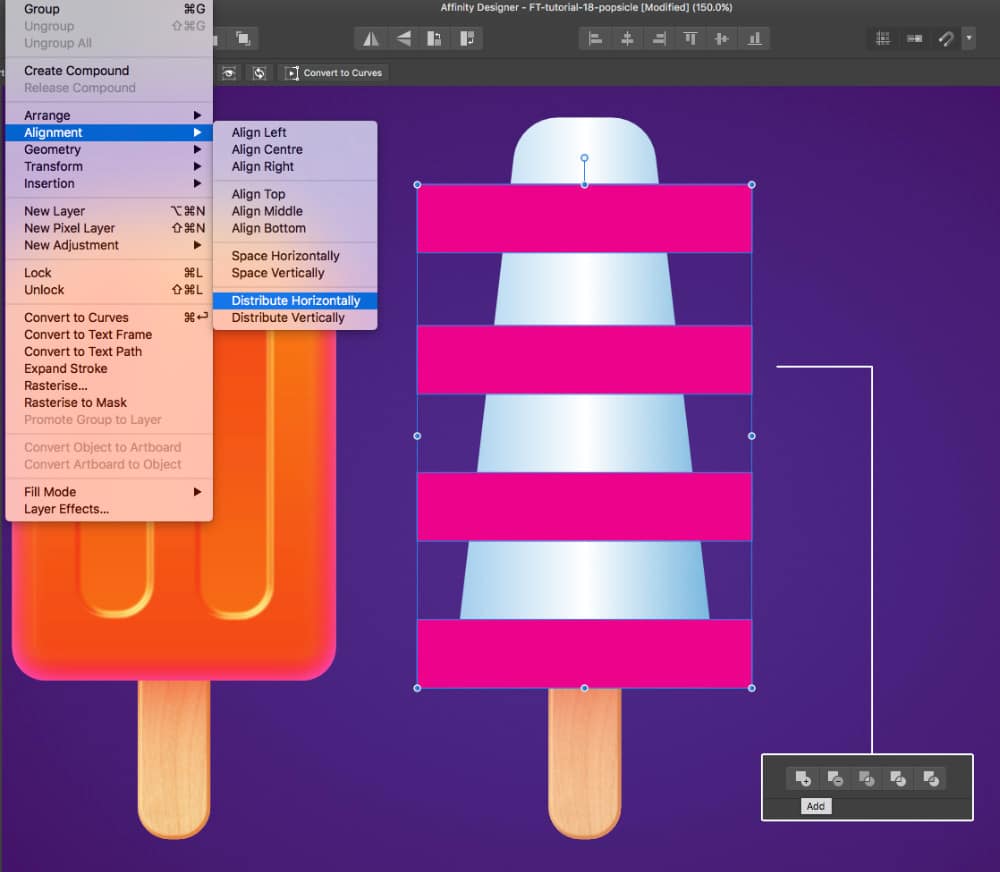

Apply a horizontal gradient to match the lighting:
Gradient Stops:
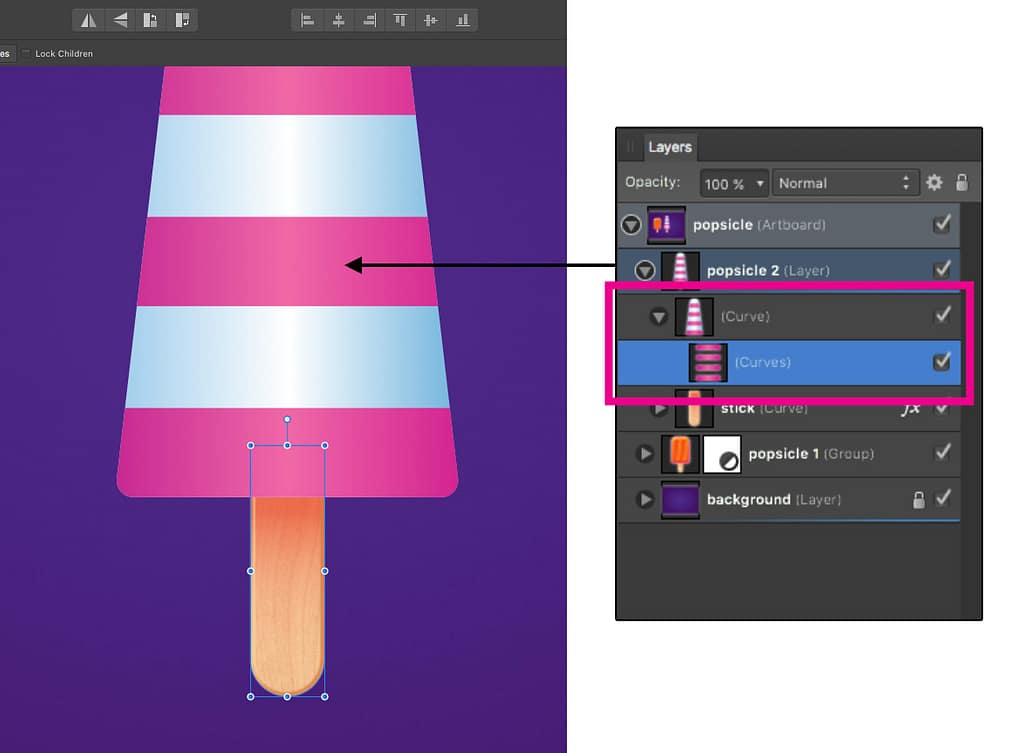
Clip the merged stripes into the base shape.
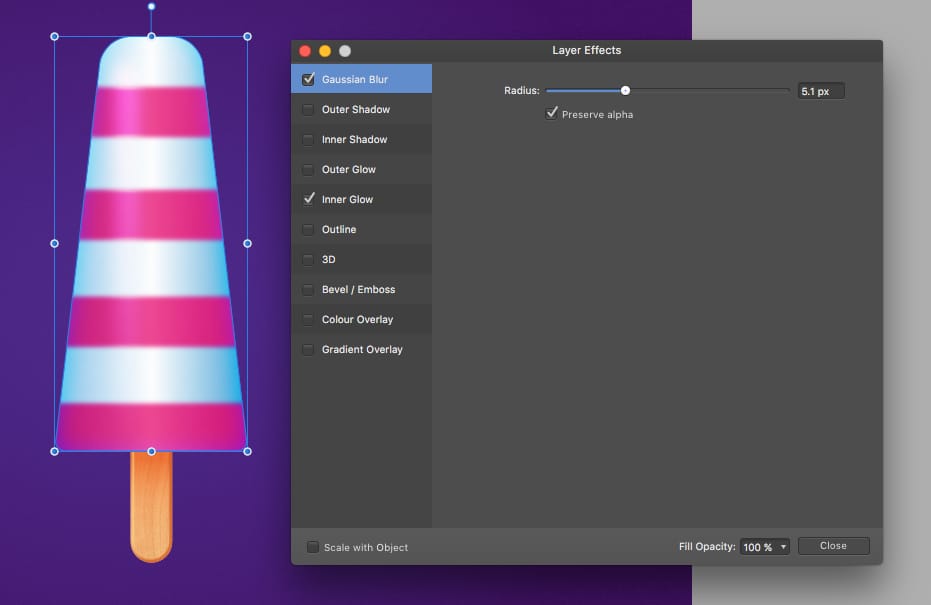
Apply a Gaussian Blur Layer Effect for a frosty look.
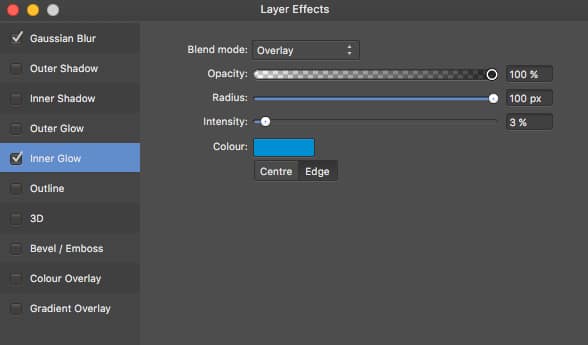
Use an Inner Glow effect to make the ice pop appear colder.
Ah, you thought you could escape without homework, didn’t you? Well, since I’m a terrible person, I’ll make you draw the last popsicle yourself! Don’t worry—it’s not as bad as it sounds. You’ll only need the same tool combo we’ve been using throughout this tutorial: the Rectangle Tool, Corner Tool, Gradient Tool, and Clipping Shapes.

Now it’s your turn to get creative! Try designing your own unique popsicle, experimenting with different shapes, colors, and effects. The goal here isn’t just to follow steps, but to truly understand how to combine basic shapes and Layer FX to achieve stunning 3D effects—without spending hours drawing every detail by hand. Mastering these techniques will speed up your workflow and open the door to even more complex illustrations. We hope you enjoyed this easy Affinity Designer tutorial. So go ahead, push your creativity, and have fun with it!